The Role of Arts & & Crafts Architects in Elevating Architectural Solutions in Residential Design
Arts and Crafts architects significantly affect domestic layout through their dedication to craftsmanship and sustainability. They prioritize handcrafted details and natural materials, which boost both visual appeals and community identification. By involving customers in the design process, these architects create distinct home that resonate with personal tastes. This technique elevates questions concerning the future trajectory of property architecture and its prospective effect on community dynamics. craftsman style house. What lies ahead for this timeless design ideology?
The Concepts of Arts and Crafts Architecture
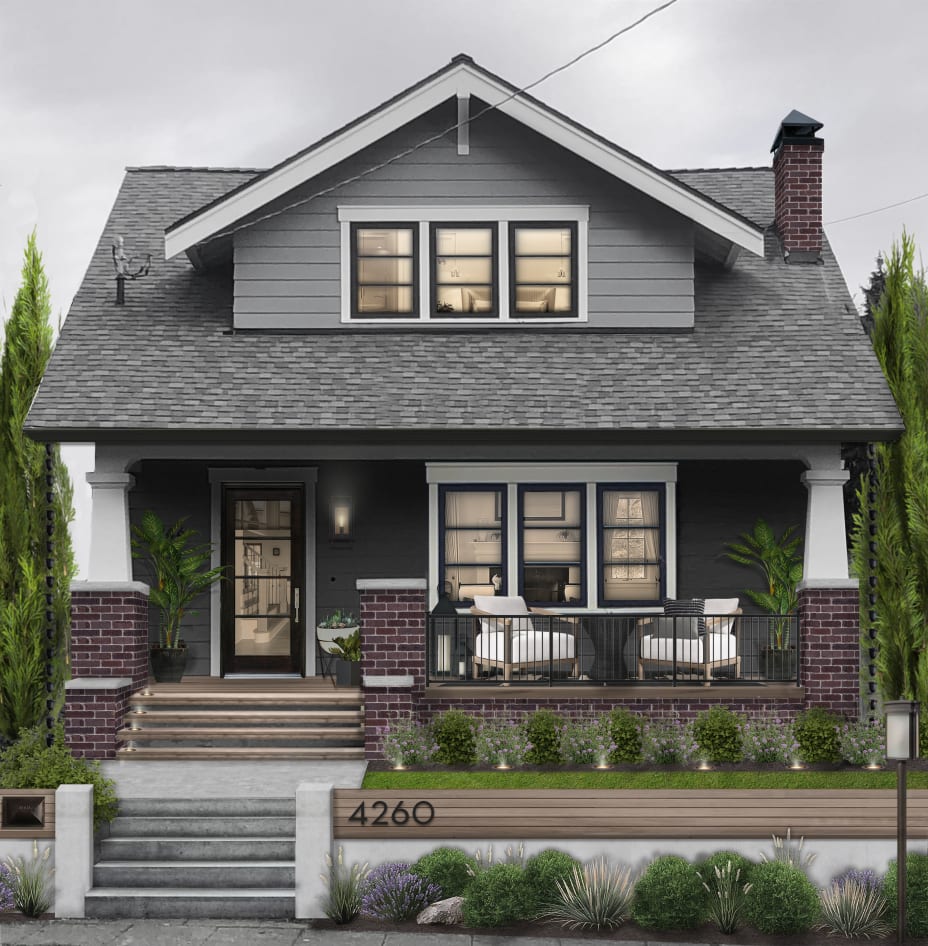
The significance of Arts and Crafts architecture lies in its dedication to workmanship and simpleness. This architectural motion arised in the late 19th century as a response to automation, emphasizing the worth of handcrafted information and all-natural products. The concepts of Arts and Crafts architecture focus on functionality and harmony with the atmosphere. Frameworks typically feature low-pitched roofs, vast eaves, and exposed rafters, advertising a feeling of unity with nature.
Artisans played a substantial role in this style, frequently incorporating ornamental aspects like tarnished glass, floor tiles, and woodwork, which mirror regional workmanship. The shade combination has a tendency to be natural and subdued, allowing structures to blend seamlessly right into their surroundings. On top of that, the style urges open floor strategies and public spaces, promoting a feeling of togetherness. Overall, the principles of Arts and Crafts architecture commemorate the beauty of simpleness and the significance of human connection to both nature and area.
Lasting Practices in Residential Layout
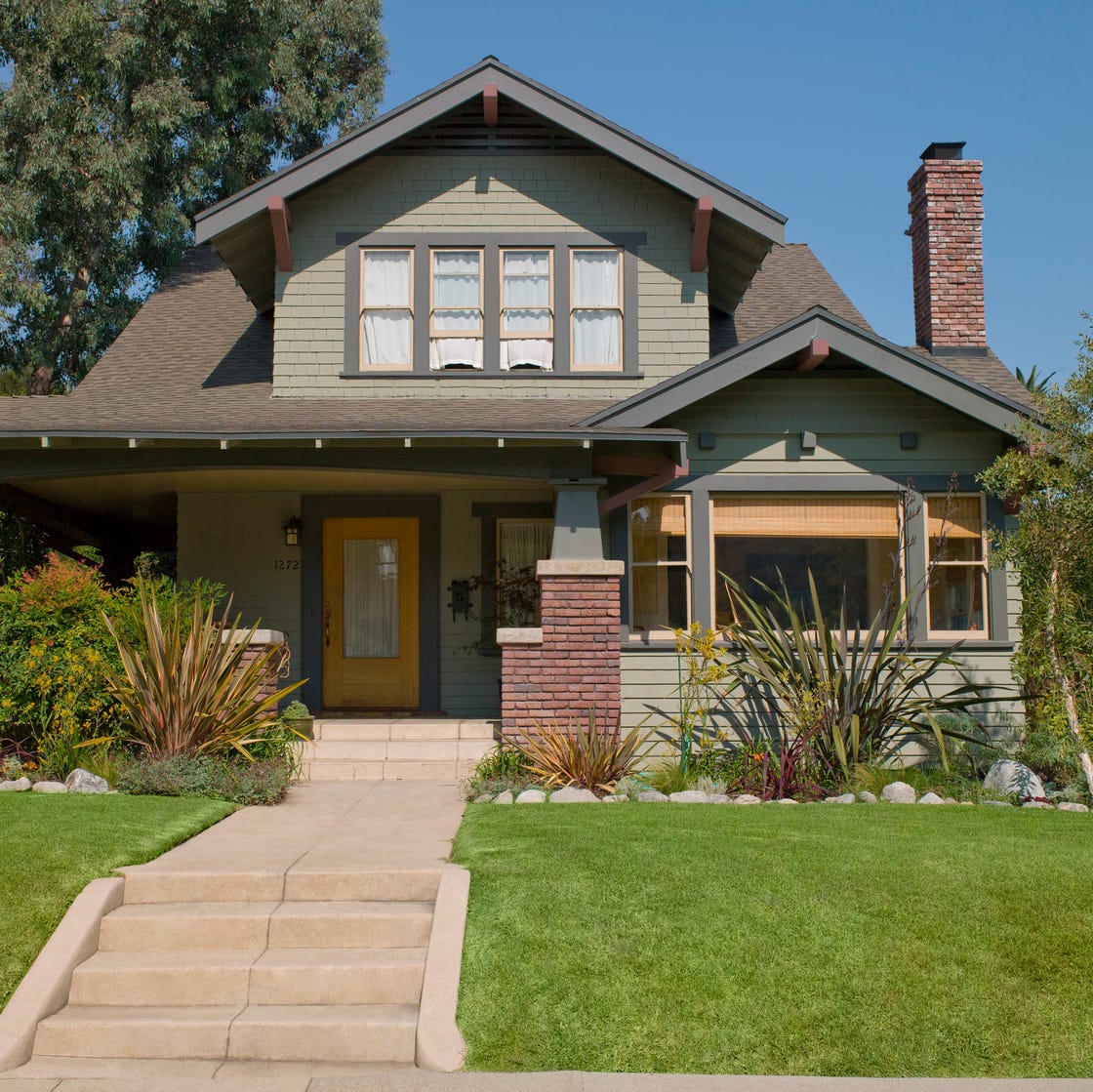
While the need for environmentally responsible living remains to grow, lasting methods in domestic layout have gotten significant grip among architects and home owners alike. Architects are significantly integrating energy-efficient modern technologies and lasting materials right into their styles, intending to decrease carbon impacts and enhance power conservation. Strategies such as easy solar design, environment-friendly roofing systems, and rain harvesting systems are coming to be common elements of contemporary domestic architecture.
The choice of locally sourced materials reduces transport exhausts and supports local economic climates. Emphasis on natural light and air flow not only boosts indoor air high quality yet additionally decreases reliance on fabricated lights and environment control systems. These lasting practices reflect a commitment to protecting the environment while giving homeowners with comfortable, efficient living rooms. As understanding of environmental concerns grows, the combination of sustainability in household layout is positioned to come to be a defining attribute of modern architecture, assisted by the principles established by Arts and Crafts architects.
Customization and Customization in Home Design
Customization and personalization in home layout have arised as vital fads in feedback to the growing wish for distinct living settings that show specific preferences and way of lives. House owners significantly seek to tailor areas that reverberate with their individualities, bring about a more significant connection with their space. craftsman style house. This movement motivates architects to involve clients in the design process, promoting cooperation that guarantees the last outcome symbolizes the homeowner's vision
Aspects such as bespoke designs, personalized materials, and tailored coatings permit a varied array of expressions in domestic layout. Arts and Crafts architects play a crucial function in this advancement, stressing workmanship and top quality. Their emphasis on incorporating creative aspects with capability guarantees that each home is not only visually pleasing but also distinctly fit to the residents' demands. Subsequently, this emphasis imp source on personalization enhances the overall property experience, creating areas that are both personal and long-lasting.
The Influence of Arts and Crafts Architects on Area Appearances
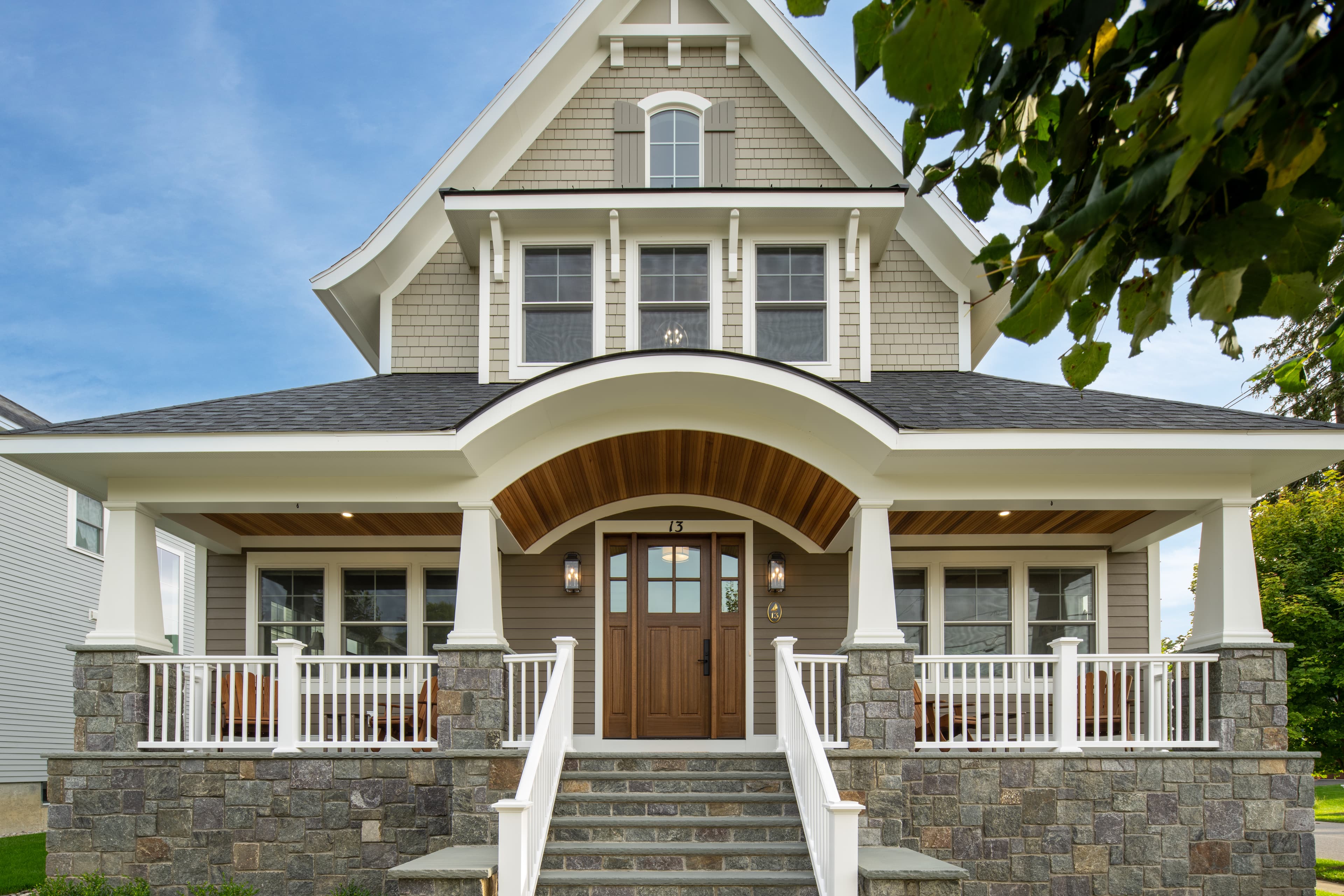
As communities evolve, the influence of Arts and Crafts architects significantly forms their visual landscape. By highlighting handmade information, natural products, and standard construction techniques, these architects produce homes that reverberate with their surroundings. Their styles usually include regional flora, structures, and shades, cultivating a feeling of consistency between constructed settings and nature.
Furthermore, the Arts and Crafts movement promotes community identity through building continuity. By motivating house owners to embrace comparable style concepts, areas develop a natural character that improves aesthetic charm. This building uniformity not only enhances the aesthetic experience however also instills a feeling of satisfaction amongst citizens.
The emphasis on sustainability and craftsmanship in Arts and Crafts architecture straightens with modern worths, making these styles relevant in contemporary settings. Eventually, Arts and Crafts architects contribute considerably to the overall elegance and cultural stability of areas, leaving a lasting effect on their aesthetic legacy.

Future Fads in Arts and Crafts Architecture
With a raising emphasis on sustainability and personalization, future patterns in Arts and Crafts architecture are poised to blend conventional craftsmanship with modern-day innovation - craftsman style house. Architects are likely to prioritize environment-friendly materials, utilizing redeemed timber and all-natural rock to enhance the sustainability of household styles. The assimilation of wise home innovation will certainly come to be prevalent, permitting for individualized living experiences without jeopardizing aesthetic integrity
The rebirth of artisanal methods will certainly promote a restored gratitude for handmade elements, such as bespoke kitchen cabinetry and custom-made tile job. Future styles may likewise reflect an emphasis on community-oriented spaces, motivating communication and connection amongst residents. Outside living areas will gain importance, effortlessly incorporating nature right into the home environment. As Arts and Crafts architecture develops, it will continue to honor its roots while adjusting to contemporary needs, producing harmonious areas that mirror specific worths and way of livings.
Regularly Asked Inquiries
What Motivated the Arts and Crafts Activity in Architecture?
The Arts and Crafts activity in architecture was inspired by a reaction versus automation, highlighting handcrafted top quality, all-natural materials, and a return to standard craftsmanship, aiming to develop unified, functional areas that celebrated artistry and originality.
Just how Do Arts and Crafts Architects Collaborate With Clients?
Arts and crafts architects team up with clients with open dialogue, focusing on individual requirements and visual appeals. They highlight workmanship this article and sustainability, fostering a collaboration that incorporates the client's vision with the designer's proficiency in style and materials.
What Materials Are Frequently Used in Arts and Crafts Houses?
Common products in Arts and Crafts homes include all-natural timber, stone, and block, highlighting workmanship and organic aesthetic appeals. These components create a cozy, inviting environment, reflecting the movement's devotion to top quality and simplicity in here are the findings style.
Exactly how Do Arts and Crafts Styles Boost Indoor Living Rooms?
Arts and Crafts designs improve indoor living areas by advertising all-natural light, open layout, and handcrafted details. These components promote a warm, inviting atmosphere, encouraging a link between residents and their atmospheres with thoughtful, practical looks.
What Are Some Famous Examples of Arts and Crafts Architecture?
Famous examples of Arts and Crafts architecture include the Wager Residence, Greene and Greene's masterpiece in The golden state, and the Robie House by Frank Lloyd Wright. These frameworks showcase handcrafted information and harmony with nature, specifying the movement's essence.